No.4, Annai Avenue, Vasanth Nagar EXTN,
Srirangam, Trichy, Tamil Nadu ,620006.
CIN: U31100TN2010PTC078389
DUNS Number: 859496557

Long before aeroplanes and modern shipping lanes connected continents, the seas were already bringing civilizations together through trade, culture, and exploration. While the land route carried luxury goods in small loads, the sea route moved massive cargoes of spices, textiles, and ceramics across the Indian Ocean.
The Maritime Silk Route was an ancient superhighway of waves, linking the ports of East Asia, Southeast Asia, India, Arabia, Africa, and Europe for centuries. At the heart of this massive network lay the Indian Ocean, a vital bridge for civilisations. Far from being just a stopover, ancient India was the ultimate global hub. From the legendary "Black Gold" (pepper) of the Spice Route to exquisite textiles and gems, India didn't just participate in global trade history—it dominated it.
By mastering the seasonal monsoon winds, Indian merchants transformed coastal towns into high-efficiency gateways to the world. Whether it was the complex dockyards of Lothal or the bustling markets of Muziris, these ancient trade routes in India served as the beating heart of early globalization. Let’s dive into how these historic ports shaped the world as we know it.
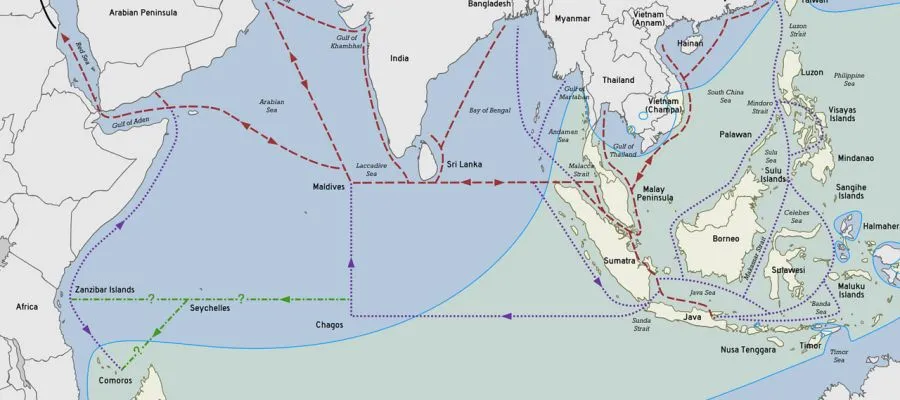
The India Maritime Silk Route was an ancient network of sea trade routes that connected India with China, Arabia, Rome, Southeast Asia, and Africa for centuries. While the famous land Silk Road carried luxury goods across deserts and mountains through camel and horse caravans, the maritime route used ships sailing across the Indian Ocean, making trade faster, cheaper, and capable of transporting bulk goods like spices, timber, textiles, metals, and ceramics.
The origins of these ancient trade routes in India date back to the Indus Valley Civilization, when ports like Lothal traded with Mesopotamia. Over time, Indian sailors mastered monsoon winds, helping sea trade flourish between the East and the West. During the Chola, Chera, and Pandya periods, ancient ports of India such as Muziris, Bharuch, and Arikamedu became thriving global trade hubs.
These port cities of ancient India played a major role in the India spice trade history, exchanging pepper, cotton, silk, ivory, and precious stones while also spreading culture, religion, and ideas. Today, they remain some of the best historical ports to visit in India for travelers interested in heritage tourism and ancient maritime history.
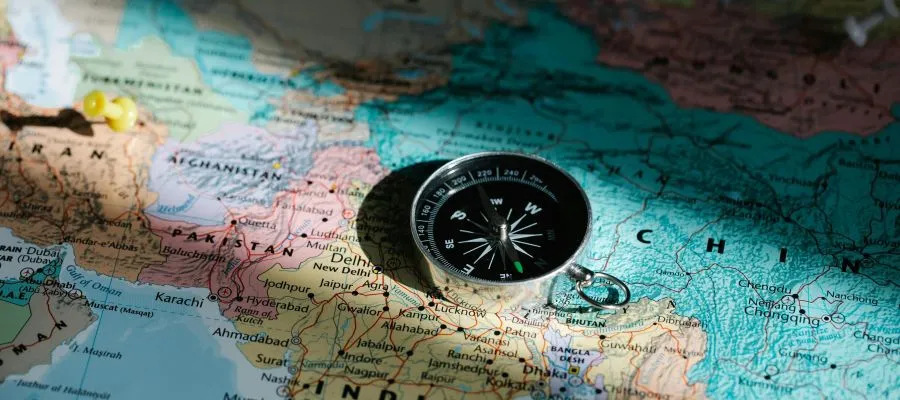
India’s dominance in the India Maritime Silk Route wasn't just a matter of luck; it was a masterclass in geography. India juts right into the heart of the Indian Ocean, flanked by the Arabian Sea on one side and the Bay of Bengal on the other. Ships sailing from Africa or Arabia could reach India's west coast long before they spotted any other major landmass. Similarly, vessels from Southeast Asia and China found India's eastern shores waiting. In the sprawling web of ancient trade routes India helped create, the subcontinent was the unmissable middle—the place where East met West, and everyone did business.
But geography alone wasn't enough. The real game-changer? Monsoon winds. Long before modern GPS, ancient mariners turned these seasonal winds into a predictable "conveyor belt." They discovered that these winds blew predictably from the southwest during summer and reversed direction in winter. By mastering the Southwest and Northeast Monsoons, sailors could cross the open ocean with incredible speed, skipping cautious coastal routes. A ship could ride the summer monsoon straight to India's coast, load up on spices and textiles, and then catch the winter winds back home. No wonder the India Maritime Silk Route became the world's busiest ocean highway.
So what brought traders flocking to the port cities of ancient India? The answer is simple: unparalleled luxury. Traders from across the globe braved the seas for Kerala’s "Black Gold" (Black Pepper), exquisite muslin textiles, cotton, ivory, spices, and precious gemstones. These ancient ports of India weren’t just docks; they were vibrant, cosmopolitan ecosystems with warehouses and docking facilities that handled a massive influx of Roman gold. Today, this rich Indian spice trade history remains the foundation of our global identity, proving that for thousands of years, all sea roads led to India.
If India was the heart of the India Maritime Silk Route, its ports were the pulsing arteries that kept the world connected. From the rugged coast of Gujarat to the tropical shores of Kerala, these port cities of ancient India played a major role in the India Maritime Silk Route, linking the subcontinent with Rome, Arabia, China, Southeast Asia, and Africa. More than just trading centres, they were gateways of culture, ideas, religion, and innovation.
Here are the "Crown Jewels" that defined ancient trade routes in India:
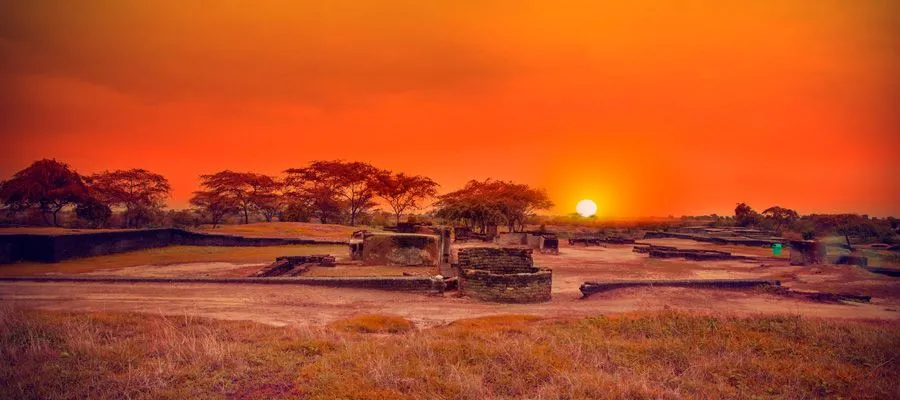
Long before the rest of the world was figuring out basic sailing, the people of the Indus Valley were building complex hydraulic systems. Lothal, dating back to 2400 BCE, is home to the world’s oldest known tidal dockyard. Harappan engineers displayed a mind-blowing understanding of tides, allowing ships to enter a specialized brick basin during high tide to remain afloat while loading.
Beyond engineering, Lothal was a massive industrial powerhouse. It was a global hub for the bead-making industry, producing high-quality jewellery from semi-precious stones, gold, and ivory. These "luxury exports" travelled all the way to Mesopotamia. Today, for those interested in heritage tourism, Lothal stands as a testament to India’s 5,000-year-old maritime dominance and is easily one of the best historical ports to visit in India.
Imagine a port so wealthy that Roman scholars actually complained about how much gold was being drained from Rome to pay for its goods. That was Muziris, the "Emporium of the East." Located on the lush coast of Kerala, it was the epicentre of the India spice trade history. The Romans were so obsessed with "Black Gold" (Black Pepper) that they braved the open ocean to reach this bustling hub.
Recent excavations at Pattanam have uncovered a treasure trove of history—Roman wine jars (amphorae), coins, and even luxury jewelry. It was a true melting pot where Roman, Arab, and Chinese merchants lived and traded side-by-side. Though a massive flood in the 14th century eventually buried the city, it remains a legendary chapter in the story of how ancient ports of India connected East and West.
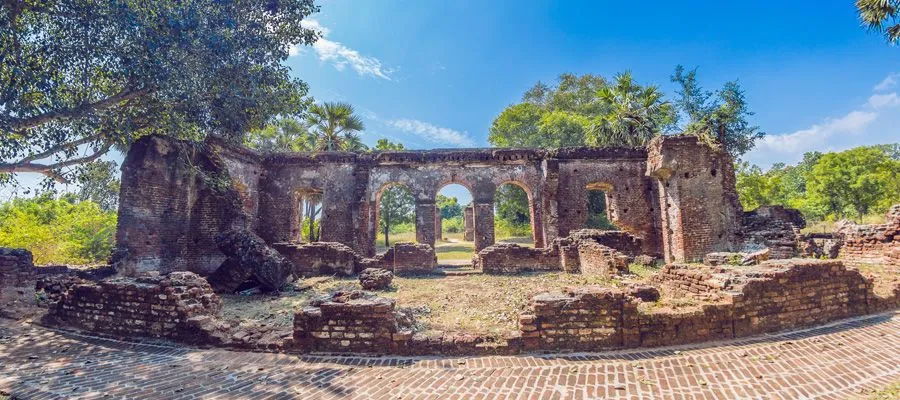
Situated on the Coromandel Coast near modern Puducherry, Arikamedu was much more than a simple transit point; it was a specialized manufacturing centre. Known to the Roman world as "Poduke," this port focused on high-end craftsmanship. It was the "mother of all bead centres," producing millions of glass and stone beads that have been found in archaeological sites across the globe.
Excavations have revealed warehouses filled with Roman Arretine ware (distinctive red pottery) and jars used for Mediterranean wine and olive oil. This direct link to the Roman Empire makes Arikamedu a crucial site for understanding the sheer scale of ancient trade routes in India. It’s a place where history feels tangible, showing us that global trade was just as vibrant 2,000 years ago as it is today.
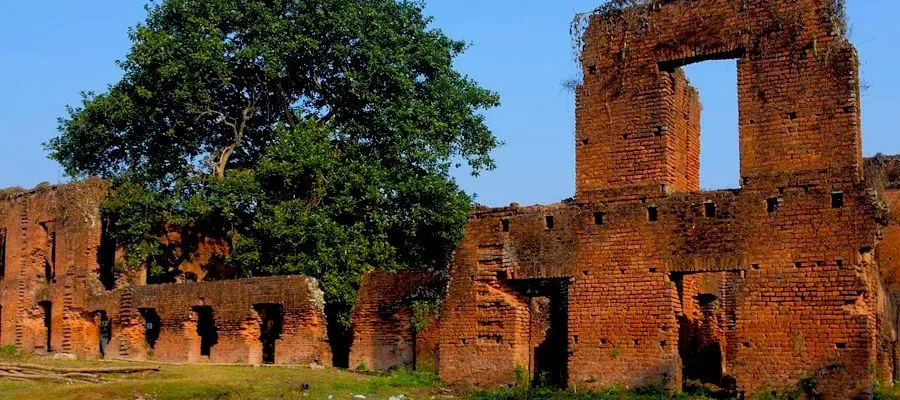
Tamralipti, located in present-day West Bengal, was one of the most influential eastern ports in ancient India. Positioned near the Bay of Bengal, this bustling maritime hub connected India with Sri Lanka, Southeast Asia, and China for centuries. As part of the India Maritime Silk Route, Tamralipti became a centre for trade, religion, and cultural exchange.
The port handled valuable goods like silk, indigo, copper, and spices, attracting merchants from across Asia. It was also deeply connected to Buddhism, with monks and travellers using the port to spread religious teachings to Sri Lanka and Southeast Asia. Travellers like Fa-Hien recorded the grandeur of this port, highlighting its role as a strategic node in the eastern section of the India Maritime Silk Route. Today, it continues to attract history enthusiasts exploring ancient trade routes in India and India’s maritime heritage.
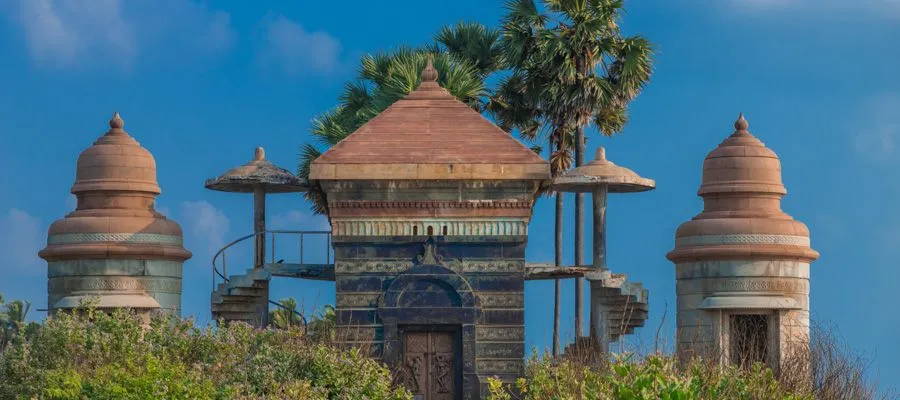
Kaveripattinam, also known as Poompuhar, was a thriving Chola-era port city on the south-eastern coast of India. Located at the mouth of the Kaveri River, it served as a major maritime gateway connecting South India with Rome, Sri Lanka, and Southeast Asia. This vibrant trading centre played a key role in the India Maritime Silk Route and helped establish the Cholas as powerful maritime rulers.
Ancient Tamil literature beautifully describes Kaveripattinam as a lively city filled with warehouses, markets, sailors, and merchants from different cultures. The port was famous for exporting spices, pearls, ivory, and fine textiles, contributing significantly to India's spice trade history. Archaeological discoveries suggest that parts of the ancient city were later submerged by the sea, adding a mysterious charm to its history. Today, Kaveripattinam stands as an important reminder of India’s maritime legacy and remains one of the best historical ports to visit in India for heritage tourism lovers.
Bharuch, anciently known as Barygaza, was one of the busiest western ports of ancient India and a major centre of international trade. Situated along the Narmada River in Gujarat, the port connected India with Egypt, Arabia, Africa, and the Roman Empire. Its strategic location made it an important hub on the ancient trade routes between India and a key player in the India Maritime Silk Route.
What made Bharuch special? Its shipbuilding industry. The port built sturdy vessels that sailed as far as Rome, carrying high-quality textiles (including silk), spices, ivory, and precious stones like carnelian and onyx. Ancient Greek and Roman writings frequently mention Bharuch, highlighting its importance in global commerce. Apart from trade, the city also became a center for cultural exchange, where merchants and travellers from different civilizations interacted. Bharuch’s thriving shipbuilding industry further strengthened its maritime influence. For anyone tracing India's spice trade history or exploring the port cities of ancient India, Bharuch offers a fascinating story of commerce and craftsmanship that spanned continents.
During the height of the Indian Maritime Silk Route, India was one of the world’s greatest trading powers. Its ancient ports were filled with merchants from Rome, Arabia, China, and Southeast Asia, all arriving in search of India’s prized goods. Among the most valuable exports were spices like black pepper, cardamom, cinnamon, and turmeric, which were highly desired across Europe and the Middle East. Fine cotton textiles, silk fabrics, indigo dye, ivory, sandalwood, and precious stones also played a major role in India spice trade history.

In return, India imported luxury products such as Chinese silk and porcelain, Arabian horses, Mediterranean wine, glassware, gold, and silver. Roman traders, in particular, exchanged large amounts of gold for Indian spices and textiles. These thriving trade exchanges not only boosted India’s economy but also turned the ancient trade routes India into powerful channels for cultural exchange, innovation, and global connection.
India’s Ancient Maritime Silk Route was not just about spices, silk, and trade profits — it was also a powerful route for sharing ideas, beliefs, and culture. As merchants sailed across the Indian Ocean, monks, scholars, and artisans travelled with them, helping spread Buddhism and Hinduism to Sri Lanka, Southeast Asia, China, and eventually Japan. The influence of Indian culture can still be seen today in iconic landmarks like Angkor Wat in Cambodia and Borobudur in Indonesia, along with ancient Sanskrit inscriptions found across Southeast Asia.
At the same time, India’s coastal cities became lively multicultural centres shaped by Roman, Arab, Chinese, and Southeast Asian influences. New foods, art styles, languages, and traditions blended into everyday life along the ancient trade routes of India. Knowledge of astronomy, mathematics, navigation, and shipbuilding also moved through these maritime networks, proving that the India Maritime Silk Route connected far more than ports — it connected civilizations.
India’s Ancient Maritime Silk Route was powered not just by trade, but by remarkable maritime technology and navigation skills that were far ahead of their time. Ancient Indian shipbuilders crafted strong wooden vessels using a unique stitched-plank technique, where planks were tied together with coir ropes instead of iron nails. This made ships more flexible and better suited for rough ocean waves and long-distance voyages.
Indian sailors also mastered the rhythm of the monsoon winds, using seasonal wind patterns to sail efficiently across the Indian Ocean to Arabia, Africa, and Southeast Asia. Navigation was guided by the stars, ocean currents, wave patterns, and even birds released to locate nearby land. Early mariners relied on traditional sea maps, celestial observations, and tools like the Kamal to track direction and distance. These advanced techniques helped ancient Indian traders confidently sail across vast waters, making India a leading force in global maritime trade and cultural exchange for centuries.
The decline of India’s Ancient Maritime Silk Route was not sudden — it happened gradually over centuries due to political changes, environmental disasters, and the rise of foreign powers. As powerful Indian kingdoms weakened, protection for major sea routes and ancient ports of India also declined, making trade less stable. Around the 7th century, Arab merchants gained strong control over Indian Ocean commerce and became key middlemen in the spice trade.
Nature also played a major role. Important port cities of ancient India, like Muziris in Kerala, were damaged by floods and silting, forcing traders to shift to newer ports. Later, the arrival of European colonial powers completely changed the traditional trading system. The Portuguese, Dutch, and British used naval strength to dominate the Indian Ocean trade and control valuable spice routes. At the same time, global trade slowly shifted toward the Atlantic Ocean, reducing India’s central role in ancient maritime commerce and global trade networks.
The legacy of India’s Ancient Maritime Silk Route still lives on today through archaeological sites, maritime museums, and cultural revival projects that celebrate India’s rich seafaring past. Historic locations like Lothal, Muziris, and Arikamedu continue to reveal fascinating stories of ancient global trade, while museums and heritage projects help preserve these connections for future generations.
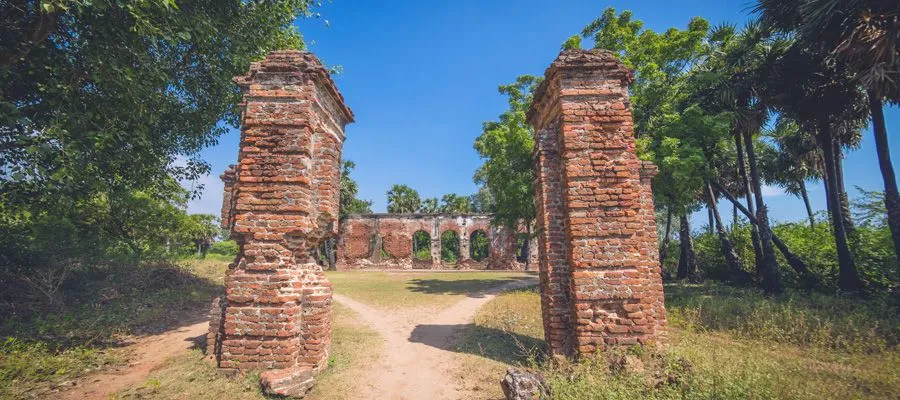
India is also reviving interest in maritime heritage tourism through festivals, reconstructed ancient ships, and coastal cultural trails. Initiatives like Project Mausam aim to reconnect countries linked by the old Indian Ocean trade network and highlight the shared cultural history shaped by monsoon-driven trade routes. Efforts to gain UNESCO recognition for these ancient maritime corridors further strengthen their global importance.
Beyond history, these lessons remain relevant today. India’s maritime legacy supports modern ideas of the blue economy, sustainable trade, regional connectivity, and stronger geopolitical ties across the Indian Ocean region.
India’s ancient ports still matter because they tell the story of how the country once stood at the centre of global trade and cultural exchange. Ports like Lothal, Muziris, Bharuch, and Arikamedu were not just trading centres — they were vibrant gateways connecting India with Rome, Africa, Arabia, and Southeast Asia. Through these ports, spices, textiles, gemstones, ideas, religions, and traditions travelled across oceans, shaping civilisations far beyond India’s shores.
These historic ports also highlight India’s early expertise in navigation, shipbuilding, and international commerce. In many ways, they laid the foundation for today’s maritime economy and coastal trade networks. Their legacy continues to inspire modern projects focused on port development, maritime connectivity, and heritage tourism. More importantly, they remind us that globalization is not new to India — the country has been building global connections through the sea for thousands of years.
Once known as the “Gateway to the Roman World,” Muziris played a major role in the Indian Maritime Silk Route. Roman ships arrived here searching for Kerala’s famous black pepper, making this port a key chapter in India spice trade history.
Today, travellers can explore the fascinating remains of this ancient trading hub through the Muziris Heritage Project, museums, and archaeological sites near Kochi. With Cholan Tours, visitors can experience the rich blend of history, culture, waterways, and heritage tourism that still keeps the spirit of Muziris alive.
Kozhikode, historically known as Calicut, was one of the busiest ancient ports of India where traders from Arabia, China, and Europe gathered for the spice trade. Famous for pepper and exotic spices, the city became a powerful center along the ancient trade routes that India once controlled.
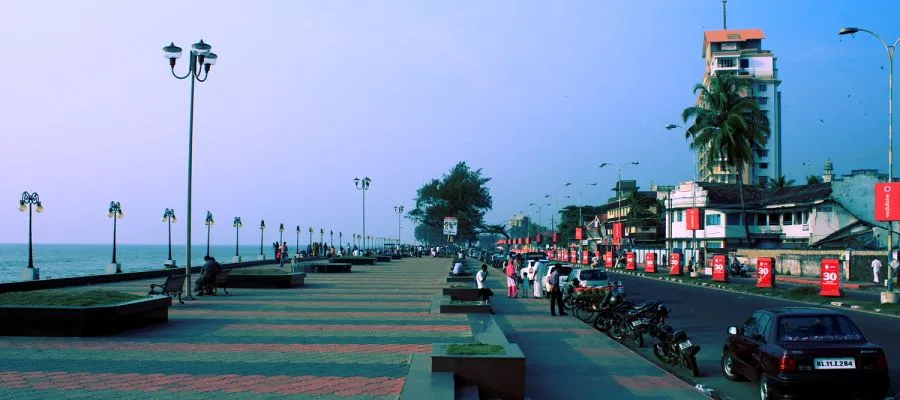
Walking through Kozhikode today still feels like stepping into a living history book. From bustling markets to coastal streets filled with stories of merchants and sailors, Cholan Tours offers travelers a chance to experience one of the best historical port cities to visit in India.
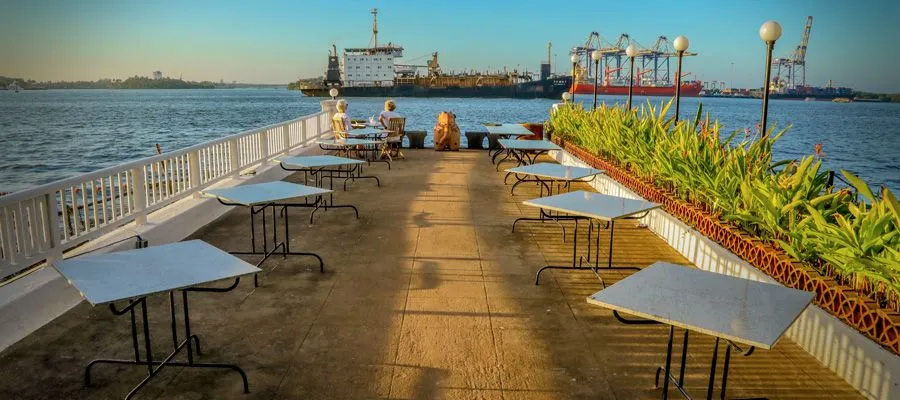
Kochi became an important maritime hub after the decline of Muziris and quickly grew into a thriving international port city. Chinese fishing nets, spice warehouses, and colonial-era buildings still reflect Kochi’s deep connection with the India Maritime Silk Route.
Fort Kochi beautifully blends Indian, Arab, Chinese, and European influences, making it one of the most charming port cities of ancient India to explore today. With Cholan Tours, travellers can discover spice markets, heritage streets, and centuries of maritime stories all in one unforgettable destination.
Mahabalipuram was once a flourishing Pallava port city that connected South India with Southeast Asia through ancient sea trade. Its magnificent Shore Temple acted like a landmark for sailors navigating across the Bay of Bengal.

Today, Mahabalipuram is famous for its stunning rock-cut temples, sculptures, and coastal beauty. Travellers exploring with Cholan Tours can witness how art, religion, and maritime trade came together to shape one of the most iconic ancient ports of India.
Located near Puducherry, Arikamedu was an important Indo-Roman trading centre known for bead-making, textiles, and overseas commerce. Archaeologists discovered Roman pottery, amphorae, and trade artefacts here, proving its strong connection with Mediterranean merchants.
Though quieter today, the site still carries the charm of an ancient maritime settlement. Cholan Tours helps travellers uncover this lesser-known gem of India’s ancient trade routes while exploring the cultural beauty of Puducherry.
Conclusion:
India didn’t just witness the ancient world’s trade; it helped connect the world through the sea. Next time you stand on a beach in Kerala or Gujarat and look out at the horizon, take a moment to listen. The ocean is a map of a million forgotten journeys, a silent witness to the sailors, merchants, and monks who turned the sea into a bridge.
Ready to walk in the footsteps of ancient merchants and legendary sailors? Embark on a timeless journey with us to uncover the hidden stories and coastal wonders of the India Maritime Silk Route.
No FAQ available for this Blog.



Share This News