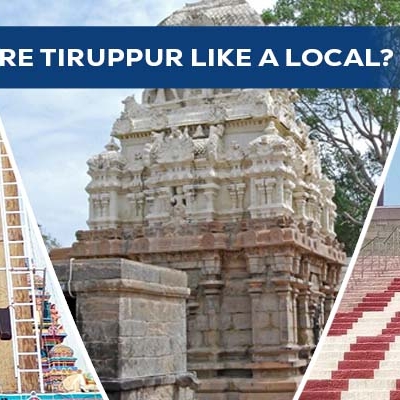
Known as the knitwear capital of India, Tiruppur is a bustling textile hub. This city hums with industrial energy, exporting over 50% of India’s cotton knitwear. But beneath the yarns and fibres, like layers of history, culture, nature, landscapes, and tranquillity, waiting to be unfurled, waiting to be unwrapped. From sacred temples and serene rivers to spicy street food and day trips to lush hills, this city welcomes you with its down-to-earth charm and Tamil warmth. Think of this as your personal tour guide, walking you through Tiruppur’s highlights, the best things to do, see, experience, and discover.
At every nook and corner, Tiruppur is no different. It offers spiritual experiences with history and legends embedded in the walls of these temples. Temples adorn Tamil Nadu
The 1,500-year-old Avinashi Temple is dedicated to Lord Shiva as Avinashilingeswarar. Also known as the “Banaras of the South,” this temple is revered for its Dravidian architecture, bright gopurams, stone carvings with intricate details, and inner sanctums. One of the stories on the northern gopuram is a folk tale of this young boy. A crocodile swallowed the young boy. But he was miraculously brought back to life by Saint Sundara’s prayer. This temple is historically linked to the Saiva saint Sundaramoorthy Na.
ProTip: Visit during early morning for an aarti that lingers with you long after you leave.
Dedicated to Lord Murugan, the warrior son of Shiva, this temple lies about 5 km from Tiruppur. Built in the Chola era by the Kongu Cholas, this cultural landmark is believed to be where Lord Murugan himself performed penance, as per legend. The serene temple tanks, Shanmugha, Gnana, and Brahmatheertham, offer quiet reflection and a moment to connect with the spiritual realm.
Set against rocky hills, Uttukuli’s Murugan Temple is another temple that is a marvel. It is located about 10 kilometres away from Tiruppur.. The temple is believed to be blessed by sage Agastya and carries the essence of vintage Tamil Nadu. Locals believe it is one of the most powerful temples to fulfil vows or seek blessings.
Tiruppur is known for its garment factories and manufacturing units. With over 10,000 manufacturing units powering exponential knitwear exports worth billions annually, the city’s industrial pulse is a major contributor to our trade and textiles.
Despite the industrialisation, Tiruppur retains warmth. Walking its streets gives you a sense of pride and purpose, a city forging its identity, stitch by stitch.
Factories and workshops here churn out t-shirts, hosiery, and knitwear worn across Europe, the Middle East, and beyond.
Many textile factories offer tours that allow you to see the journey of garments, from raw cotton balls stuck like snow to the yarns and then the fabric. Artisans and workers blend traditional and ancient techniques with modern machinery to deliver results that blow away minds. And of course, you can shop straight from factory outlets at unbeatable prices, making this trip worth it.
ProTip: Bargaining is expected in local shops. Head to Kumaran Road and Chengapalli for wholesale and retail outlets. From export to surplus to branded clothes, you can find everything at a reasonable rate.
At the banks of the Western Ghats, Thirumoorthy Dam is a marvel of engineering. It is a peaceful retreat where the temple near the dam elevates the calm. Green landscapes and the constant meditative sound of water gushing surround it.
The Amaravathi Dam, nestled in a wildlife sanctuary, leads to the Amaravathi Crocodile Farm, a unique place to spot South India’s largest breeding population of crocodiles, in Tiruppur District. Watching dozens of massive reptiles bask lazily under the sun is thrilling (and slightly eerie). You can see many subspecies of crocodile. It offers boating and picnic spots for a closer connection with nature. The adjoining dam and reservoir are scenic spots, especially during the monsoon when the water levels are high.
It is situated near the villages of Neruperichal and Sarkar Periyapalayam in Tiruppur. The site is a freshwater lake. It has historical value since it bears the name of King Nanjarayan, who built the reservoir 400 years ago. Surprisingly close by is the newly designated Nanjarayan Bird Sanctuary, a Ramsar wetland where migratory birds find refuge.
A paradise for birdwatchers, Koolipalayam Wetlands attract migratory birds like painted storks, pelicans, and ibis. If you’re an early riser, head here at dawn with a camera. The golden light, misty air, and flocks of birds with different colours make waking up early in the morning worthwhile.
A lesser-known and smaller in size, the Noyyal River holds a deep cultural significance to the city. The ghats hold spiritual as well as local importance. The locals gather here for rituals, festivals, and everyday community life. Sitting by the river at sunset, you’ll watch families lighting lamps, children playing, and vendors selling snacks, a slice of authentic Tiruppur beyond its industrial façade.
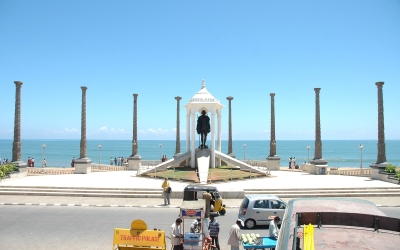
In the heart of the city, Tiruppur Kumaran Park offers a quiet oasis, ideal for a stroll or a picnic by the statuesque memorial of a local hero, Ferdinand Tiruppur Kumaraa.
Tiruppur hides quieter joys beyond its main attractions:
Hidden gems like secret waterfalls, hill spots, and cultural nuggets await discovery off the usual tourist trail.
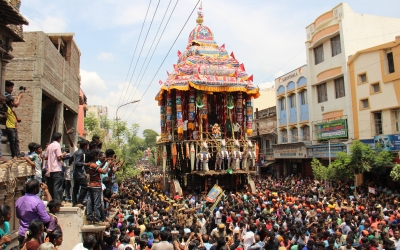
If you’re lucky enough to visit during festival season, you’ll see Tiruppur at its most vibrant. One of the most celebrated festivals is the Avinashi Car Festival. It is a grand celebration of temple deities on beautifully decorated chariots. Thousands of devotees and tourists pull the raths.
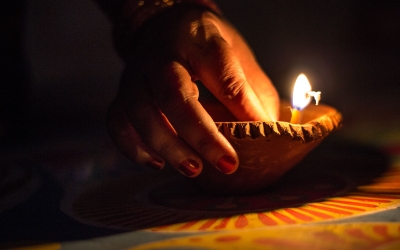
Another one of the famous festivals here is the festival of lights, or Karthigai Deepam, when every street and home glows with oil lamps. It is a day festival celebrating Lord Murugan. It symbolises joy and prosperity, warding off evil with the light of the lamp.
To express gratitude to the Sun God, Pongal is celebrated in January. It’s the harvest festival with traditional dances, kolams (rangoli), and feasts. It is a festival of joy, new starts, prosperity, and community.
These are the best times to experience the city’s community spirit and cultural depth.
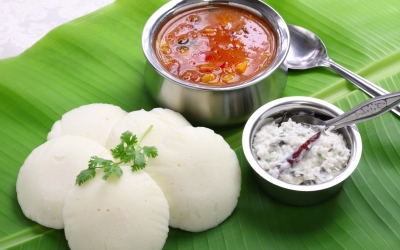
Start your day with steaming hot idlis, crispy dosas, and fluffy pongal served with coconut chutney and sambar. Street-side tiffin stalls are the best; don’t miss the vadas, fried golden and served piping hot.
At lunchtime, try the classic South Indian “meals”, a banana leaf spread with rice, sambar, rasam, kootu, poriyal, curd, and a sweet. Local eateries like Hotel Gowri Shankar or Annapoorna serve wholesome meals that will leave you satisfied.
In the evenings, snack on kothu parotta (parotta shredded and stir-fried with egg, chicken, or mutton curry) or spicy bajjis. Wash it down with strong South Indian filter coffee, aromatic and frothy. For desserts, try jigarthanda (made using milk, sugar, nannari syrup, and almond gum), laddus, and halwas from neighbourhood sweet shops.
ProTip: Tiruppur is less touristy, so most eateries are authentic and pocket-friendly.
Beyond textiles, Tiruppur has vibrant local markets where you can shop for handicraft jewellery and daily wear. Kumaran Road is the busiest shopping street, buzzing with energy day and night.
It is famous for hosiery garments, traditional sarees, handicrafts, and temple souvenirs.
The months between December and March are ideal for touring, offering cool, vibrant days, and if you visit during spring (March–May), Tiruppur blooms with life and colour.
Tiruppur is well-connected by rail and road. The nearest airport is Coimbatore International Airport (about 45 km).
Renting a car or hiring a local driver is the most flexible way to explore temples and nature spots. Tiruppur is also well-connected by road to neighbouring towns, so day trips are handy.
Tiruppur is a city that is a balance of everything. It works hard by day and celebrates festivities by night. It’s where a century-old temple can stand next to a buzzing garment factory, and where a plate of piping hot idlis costs less than a cup of coffee elsewhere. For the traveller, Tiruppur offers authenticity, culture, and legends playing out in front of your eyes through gopurams, paintings, and stories. So, whether you’re tracing temple legends, birdwatching at dawn, bargaining in textile markets, or savoring parottas under neon-lit stalls, Tiruppur promises stories you’ll carry long after you leave. It’s not just a city to visit; it’s a place to experience, one smile, one flavor, and one discovery at a time.
Share This News